← All campaigns
Ready-made world · paid by the crate
The Ossuary Under Marrowgate
A town paid for an ossuary thirty-one years ago and it has been empty ever since, and you are being paid by the crate to find out why.
A town paid for an ossuary thirty-one years ago and it has been empty ever since, and you are being paid by the crate to find out why.
Marrowgate's churchyard filled up two generations ago and the ground there has been sour ever since. Water sits in it. Plots have to be dug up and reset every few years because they will not hold what is put in them. So the town voted itself the money to fix the problem: it cut a vault into the hill under the west gate, lined it with niches enough for eleven hundred, and appointed a family to keep it.
That was thirty-one years ago. The niches are empty. Every one of them. The town has been paying the keeping stipend the whole time.
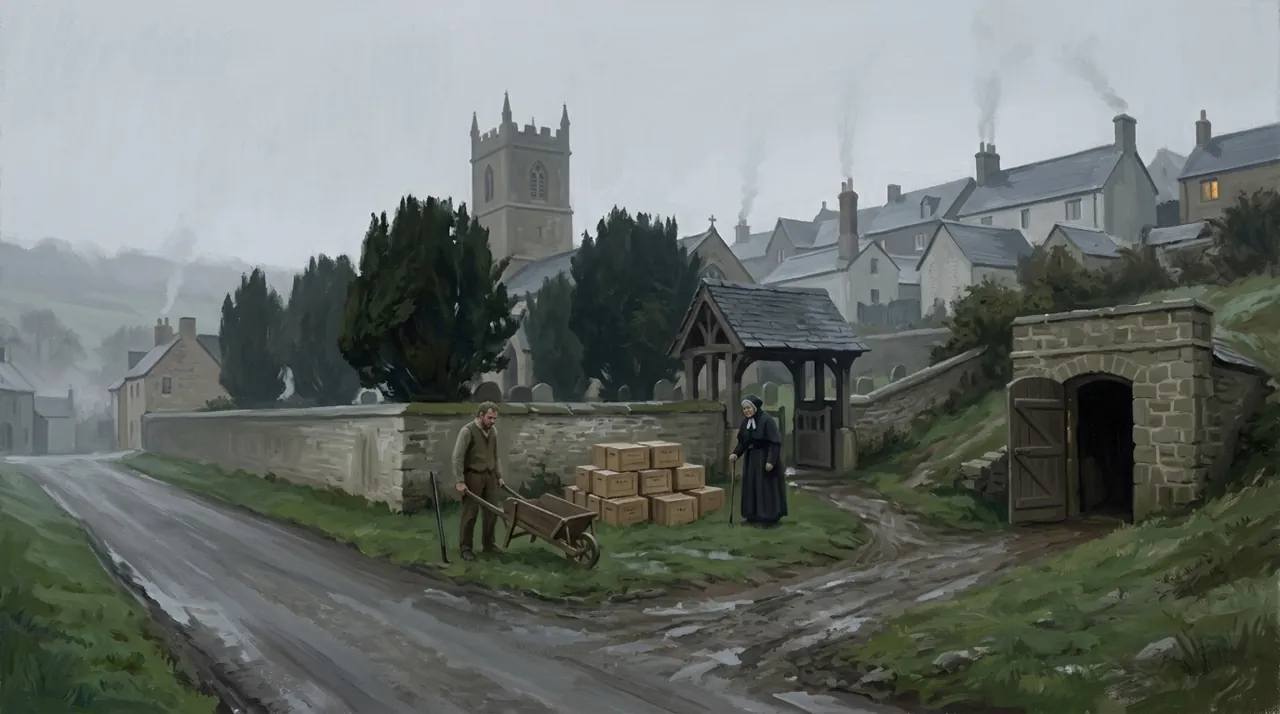
Sennet Coe is the town clerk, and he is the first person to add that up out loud. The town has voted the money a second time, and this time it is piecework instead of a stipend: so much for every crate of the churchyard's dead carried down and laid in a niche, settled on a tally when you come back up. Coe has had five plots opened and crated and stacked at the lych-gate. You are hired to move them.
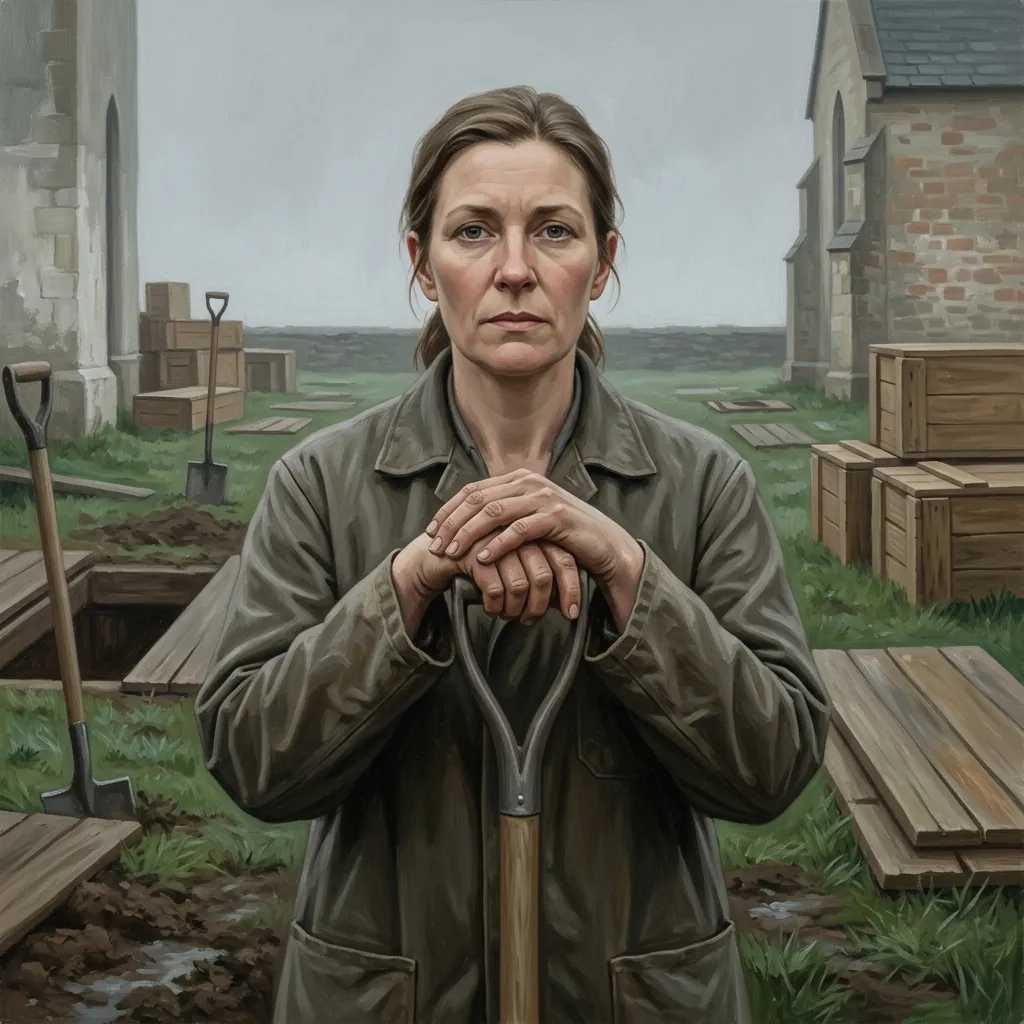
The sexton of Saint Ord comes down with you. She has opened those same five plots twice in nine years, because the ground will not hold what is put in it, and she has had to tell five families about it twice. She wants the transfer finished so she can stop digging up the same people.
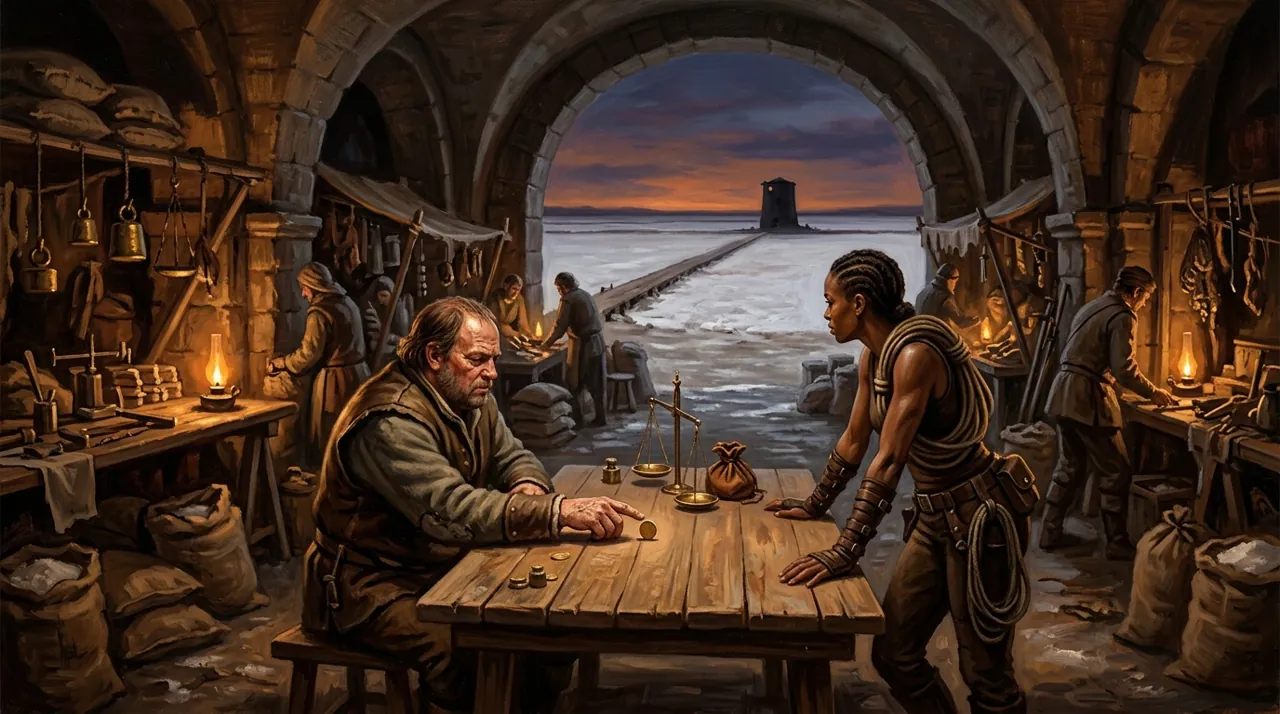
The town has been paying for this vault for thirty-one years and nobody has used it. You are the first people to go down those stairs and do the job it was cut for.
Every other delve in the catalog is somewhere you go to take something out, or to kill something. In this one you carry something in, in the dark, and you get paid per crate. There is nothing sealed down there, nothing ancient, and no puzzle about where to go. Somebody hands you the key in the first scene. The surveyor who laid the vault out is ninety-one and alive and delighted to be asked about it.
Every crate you place is money, and every crate you leave at the gate is money you did not make. There is no bonus for finishing and no penalty for stopping. Most parties place two or three, get paid for exactly what they carried, and go home. That counts as the job done.
You type what you would actually do, in your own words. The clerk writes down what you actually did.
You start at level 5, and a cleric who has been doing this work for nine years joins you at the churchyard gate. You bring your own character and choose everything about who they are. Plan on about two hours in one sitting, one town, and four places you can walk between from the first minute.
When you want a campaign that runs for weeks instead of an evening, the catalog has those too.
 Sennet Coe
 Merrit Ives
Now the same care that made the town orderly has undone it: the clerk's weather book has proved what everyone might have guessed and no one asked, that the vault under the west gate was never finished, that a stipend has been drawn against a job left half-done. The churchyard of Saint Ord is crowded and sour, and the town has voted, in its careful way, to empty it into the hill.
The opening of one playthrough, unedited.
An email when something real ships. No spam, no gate, no countdown.
One or two emails a month, at most. Unsubscribe any time.